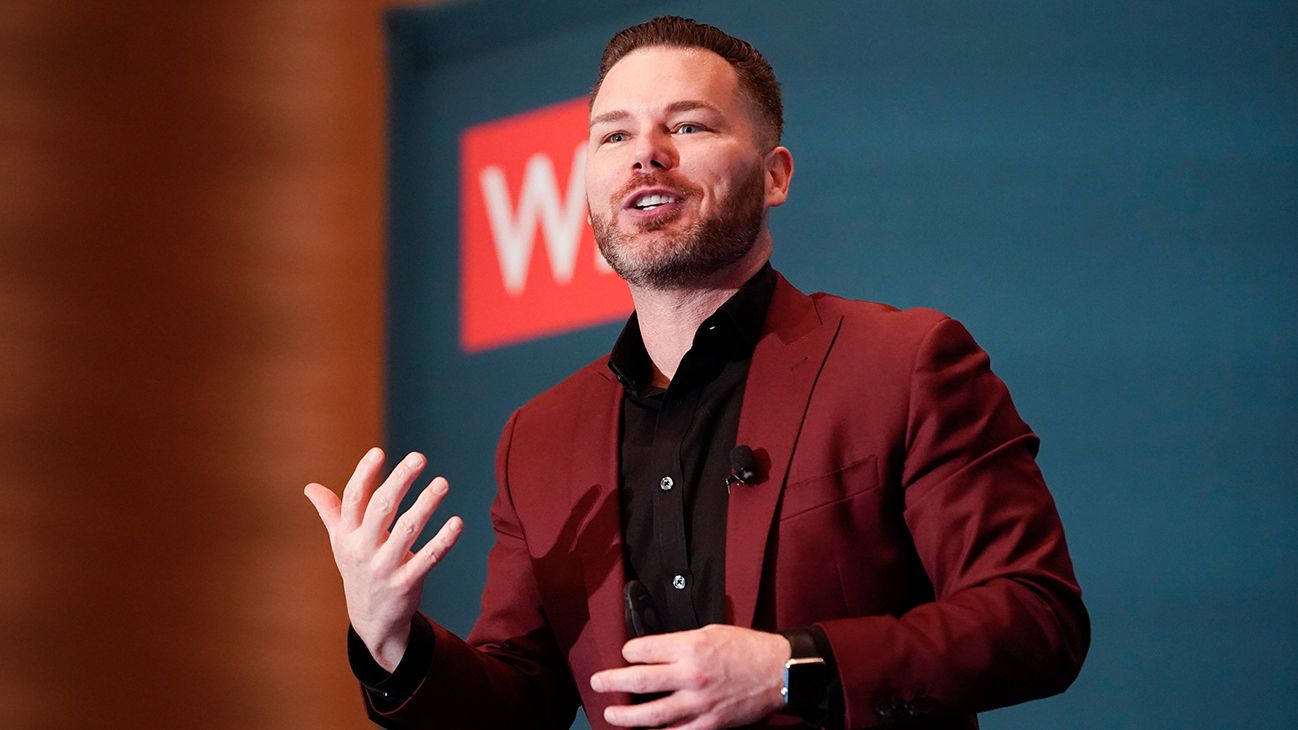
Trust is at the heart of every successful organization. Without it, teams struggle to communicate effectively, employees feel disengaged, and leadership loses credibility. Building and sustaining trust can seem challenging, but it is a vital component of thriving workplaces and strong business results. This article explores the fundamentals of trust keynote speaker, its impact on organizational culture, and actionable ways leaders can foster trust today.
What Is Trust in Leadership?
Trust in leadership means having confidence that leaders are honest, competent, and have the team’s best interests at heart. It involves transparency, reliability, and consistent behavior. When employees trust their leaders, they are more likely to collaborate openly, take healthy risks, and feel motivated to contribute their best efforts.
Why Trust Matters in Organizations
Trust lays the foundation for positive workplace culture and successful business outcomes. Key benefits of trust include:
Improved Communication: Trust breaks down barriers, enabling open, honest dialogue across all levels.
Higher Engagement: Employees who trust their leaders tend to be more committed and productive.
Better Decision Making: Trust encourages sharing of ideas and constructive feedback, leading to smarter choices.
Increased Retention: Trust reduces turnover as employees feel valued and secure.
How Leaders Can Build Trust
Building trust requires intention, consistency, and genuine care. Leaders can take the following steps to cultivate trust:
Be Transparent: Share information openly and explain reasoning behind decisions.
Show Competence: Demonstrate expertise and a commitment to continuous learning.
Be Empathetic: Listen actively and respond to employees’ concerns with understanding.
Keep Commitments: Follow through on promises and own mistakes when they happen.
Communicate Clearly: Use simple, honest language and avoid jargon or mixed messages.
The Role of Trust in Leadership Development
Trust is not just an add-on but a core leadership skill. Training programs and leadership development focused on trust help leaders understand its importance and practice behaviors that foster it. Organizations investing in trust are likely to see long-term improvements in team dynamics and results.
Two Effective Trust-Building Practices
Regular Feedback Loops: Establish channels for honest, two-way feedback that encourages open dialogue and continuous improvement.
Recognition Programs: Acknowledge and celebrate efforts and achievements to show appreciation and reinforce trust.
Challenges to Building Trust
While trust is powerful, it can be fragile and easily lost through inconsistency or lack of follow-through. Leaders must be vigilant to maintain trust by staying authentic and accountable. Cultural differences and remote work environments may also require adapting trust-building strategies to suit diverse teams.
Measuring Trust in Your Organization
Using surveys, one-on-one check-ins, and performance metrics, organizations can gauge trust levels and identify areas for improvement. Transparent sharing of these insights with employees also helps reinforce commitment to building trust.
Conclusion
Trust is the backbone of effective leadership and healthy organizations. Creating a culture where trust flourishes leads to engaged employees, better decisions, and sustainable success. Justin Patton, a respected trust keynote speaker, advocates for practical trust-building approaches that leaders can implement immediately to transform their teams. Focusing on trust equips organizations to navigate challenges confidently and achieve lasting growth.